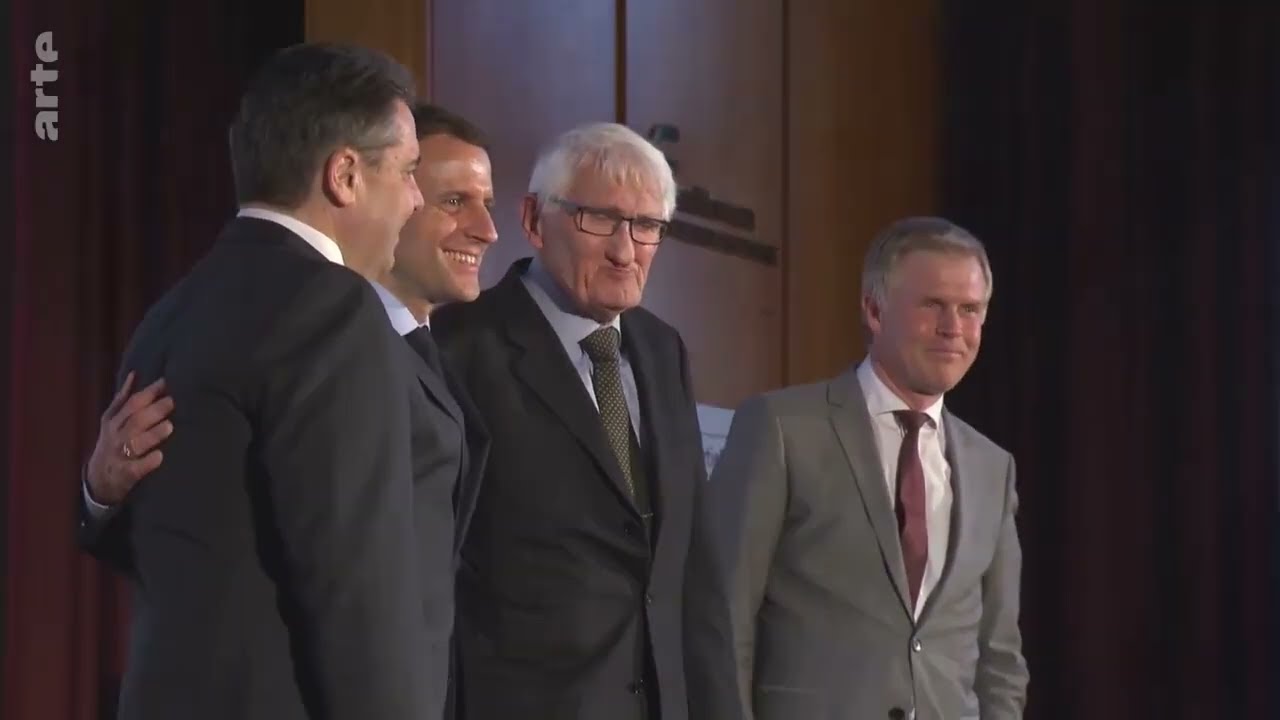
Jürgen Habermas' Philosophical Journey
Jürgen Habermas is hailed as a transformative figure in post-war German philosophy, transitioning from a Marxist theorist to a celebrated advocate for European democracy. His engagement with the Frankfurt School shaped his ideas on critical theory and public discourse, emphasizing the role of communication in democratic societies.
Critique of Capitalism and Media
In the 1960s, Habermas critiqued the impact of capitalism and mass media on young democracies, arguing that these forces stifled democratic engagement and promoted authoritarian tendencies. His ideas resonated with the student movements of the time, who sought educational reforms and critiqued capitalism, often citing Habermas' work.
Influence and Controversies
Habermas played a crucial role in the Historikerstreit, advocating for the recognition of the Holocaust's singularity and Germany's responsibility. He also engaged in philosophical debates with figures like Michel Foucault, defending the Enlightenment's legacy against postmodern critiques.
Commitment to European Democracy
A proponent of Verfassungspatriotismus, Habermas argues for a European identity grounded in democratic principles rather than nationalistic sentiments. He critiques the European Union's focus on economic integration at the expense of democratic legitimacy, advocating for a cosmopolitan approach to global challenges.
Legacy and Continuing Influence
Habermas' work remains influential in discussions of democracy, communication, and social justice. His theories on communicative action and the public sphere continue to inspire debates on how societies can achieve rational consensus and address modern challenges through dialogue and understanding.